

Best Trading Laptop in India needs to deliver speed, reliability, and multitasking power for analyzing charts and executing trades without delays. After observing what works for active traders who monitor multiple stocks simultaneously and run demanding charting software, it’s clear that fast processors, ample RAM, and quality displays are non-negotiable.
The right laptop can literally make the difference between catching profitable opportunities and missing them. Whether you’re day trading, swing trading, or analyzing market trends, having responsive hardware keeps you ahead in fast-moving markets where seconds matter.
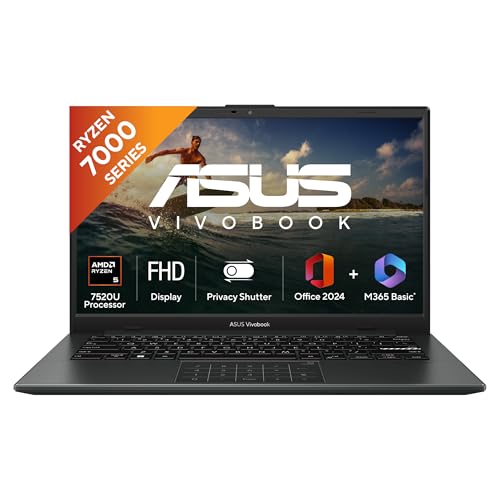
- Processor : AMD Ryzen 5 7520U Processor 2.8GHz (6MB Cache, up to 4.3GHz, 4 cores, 8 Threads)
- Display : 14.0-inch, FHD (1920 x 1080) 16:9 aspect ratio, 60Hz refresh rate, 250nits Brightness | Keyboard: Backlit
- Graphics : Intergrated AMD Radeon Graphics

- 【Processor】: 12th Gen Intel Core i5-12450H – Built for performance with 8 cores (2 Performance + 4 Efficient) and 12 thr…
- Display: 15.6″ FHD (1920×1080) | TN | 250nits Brightness | Anti-glare Dive into crisp visuals on a 15.6″ Full HD screen …
- Battery:- Power through your day with a 47Wh battery that keeps you going up to 7.6 hours on typical use (MobileMark2018…
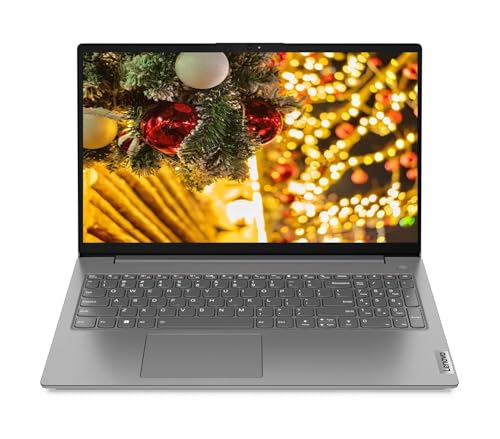
- POWERHOUSE PERFORMANCE: Equipped with the AMD Ryzen 5 7520U Quad-Core processor and high-speed 16GB DDR5 RAM (5500MHz), …
- BLAZING FAST STORAGE: Boot up in seconds and load applications instantly with the 512GB NVMe SSD. Pre-loaded with Window…
- IMMERSIVE VISUALS & AUDIO: Features a spacious 15.6-inch Full HD (1920×1080) Anti-Glare Display that reduces eye strain …
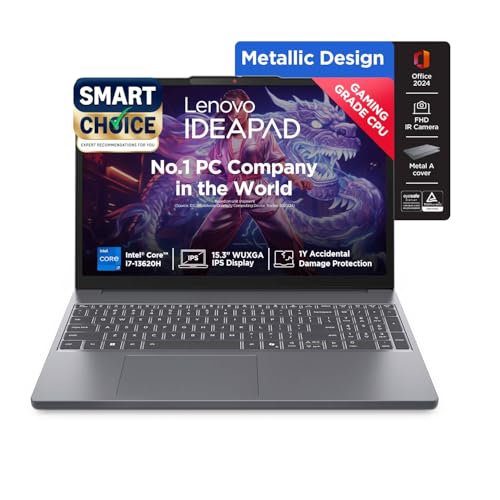
- Processor: Intel Core i7-13620H | Speed: 2.4 GHz (Base) – 4.9 GHz (Max), E-core 1.8 / 3.6GHz | 10 Cores | 16 Threads | 2…
- Display: 15.3″ FHD (1920×1200) | 300Nits Brightness | Anti Glare |TUV Low Blue Light Certified
- Memory and Storage: 8GB Soldered DDR5-4800 + 8GB SO-DIMM DDR5-4800, Max Memory Up to 24GB (8GB soldered + 16GB SO-DIMM) …
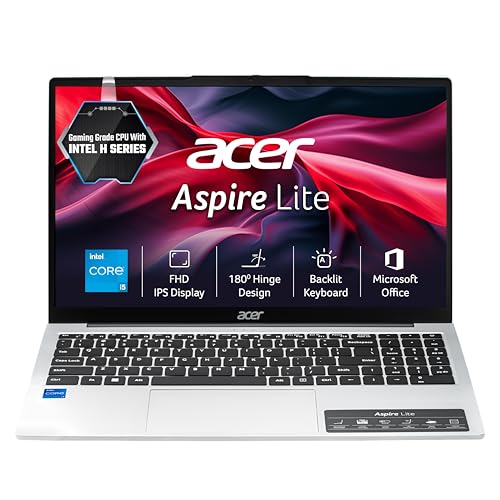
- Processor: Intel Core i5-12450H Processor (2 GHz base clock, up to 4.4 GHz max boost clock, 12 MB L3 cache, 8 cores) | M…
- Operating System: Windows 11 Home |Preinstalled Software: MSO
- Display : 15.6″ display with IPS (In-Plane Switching) technology, Full HD 1920 x 1080, Acer ComfyView LED-backlit TFT LC…
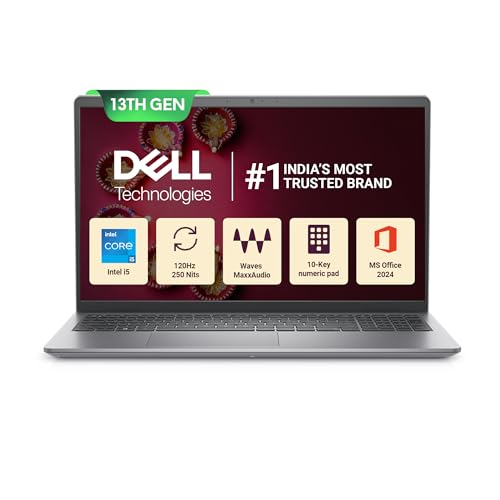
- Processor: 13th Generation Intel Core i5-1334U (Up to 4.60GHz, 10 Cores, 12MB Cache)
- RAM: 16 GB: 2 x 8 GB, DDR4, 2666 MT/s & Storage: 512GB SSD
- Display: 15.6″ FHD WVA AG 120Hz 250 nits Narrow Border
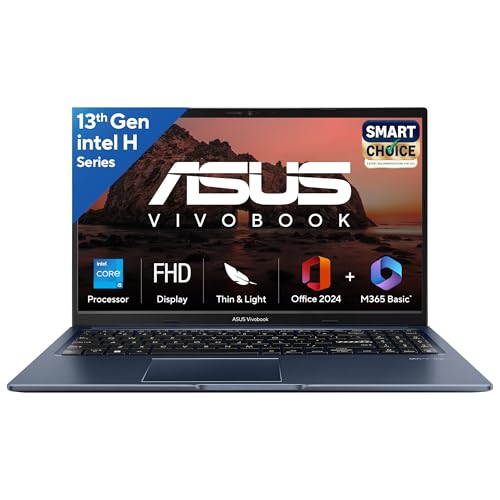
- Processor : Intel Core i5-13420H Processor 2.1 GHz (12MB Cache, up to 4.6 GHz, 8 cores, 12 Threads)
- Display : 15.6-inch, FHD (1920 x 1080) 16:9 aspect ratio, 60Hz refresh rate, 250nits Brightness | Keyboard : Backlit Chi…
- Memory : DDR4 16GB RAM, 512GB M.2 NVMe PCIe 4.0 SSD
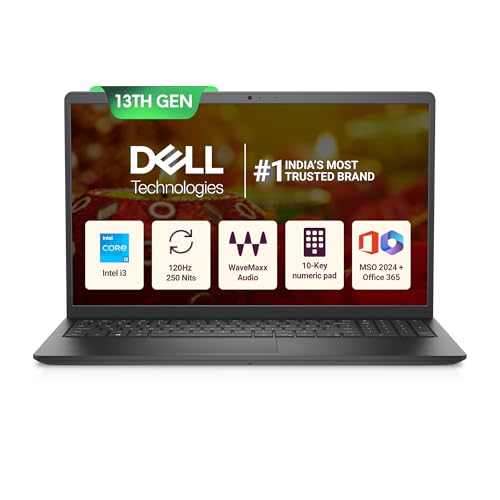
- Processor: 13th Gen Intel Core i3-1305U, 10MB up to 4.50GHz, 10 Core
- RAM: 16 GB: 2 x 8 GB, DDR4, 2666 MT/s | Storage: 512GB SSD
- Display: 15.6″ FHD WVA AG 120Hz 250 nits Narrow Border Intel | Graphics: Intel UHD Graphics
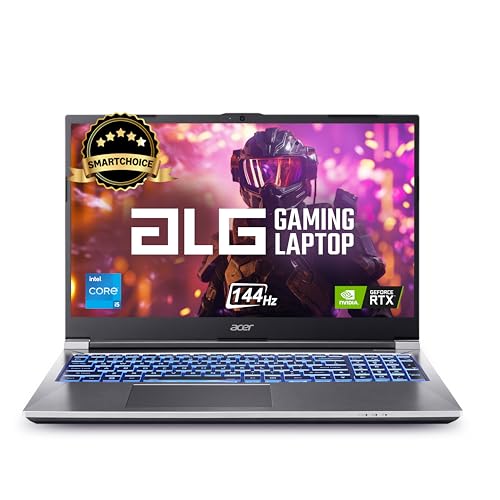
- Processor : Intel Core i5-13420H processor(2.1 GHz base clock, up to 4.6 GHz max boost clock,12 MB L3 cache, 8 cores) | …
- Operating System: Windows 11 Home |Preinstalled Software: None
- Display : 15.6″ display with FHD 1920 x 1080, 144Hz, 45%NTSC 16:9 panel | NVIDIA GeForce RTX 3050 – 6GB DDR6
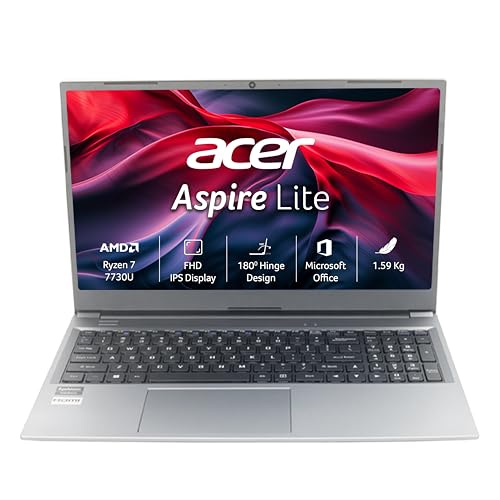
- Processor : AMD Ryzen 7 7730U processor(2 GHz base clock, up to 4.5 GHz max boost clock,16 MB L3 cache, 8 cores) | Memor…
- Operating System: Windows 11 Home | Preinstalled Software: MSO
- Display:15.6″ Full HD IPS TN 1920 x 1080, high-brightness TFT LCD :16:9 aspect ratio, Ultra-slim design, Mercury free, e…
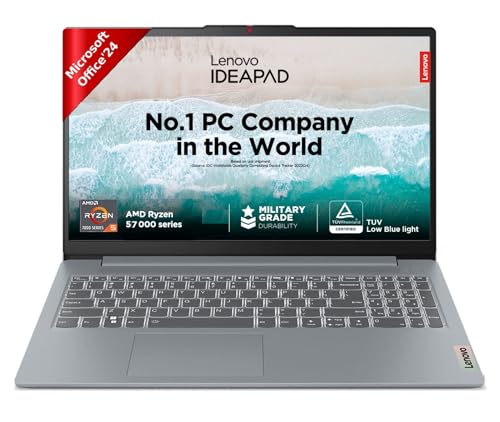
- Processor: AMD Ryzen 5 7520U | Speed: 2.8GHz (Base) – 4.3GHz (Max) | 4 Cores | 8 Threads | 4MB Cache
- Display: 15.6″ FHD (1920×1080) | 250Nits Brightness | Anti Glare |TUV Low Blue Light Certified
- Memory and Storage: 16GB RAM LPDDR5-5500 | 512 GB SSD

- Processor: Intel Core 3 100U (6 cores, up to 4.70 GHz, 10MB Cache)
- RAM: 16GBx1, DDR4, 2666 MT/s & Storage: 512GB SSD
- Display: 15.6″ NT FHD 120Hz WVA IPS AG 250 nit Narrow Border LED-Backlit & Graphics: Intel UHD Graphics
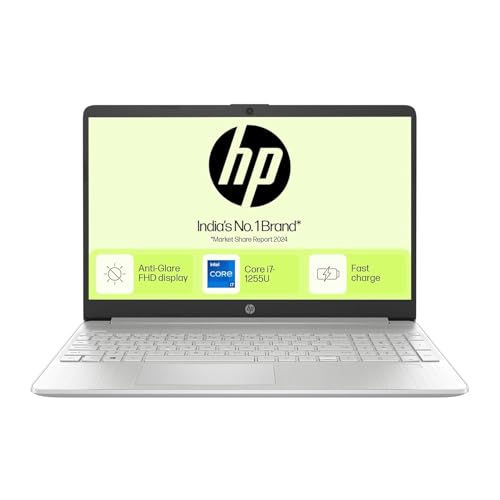
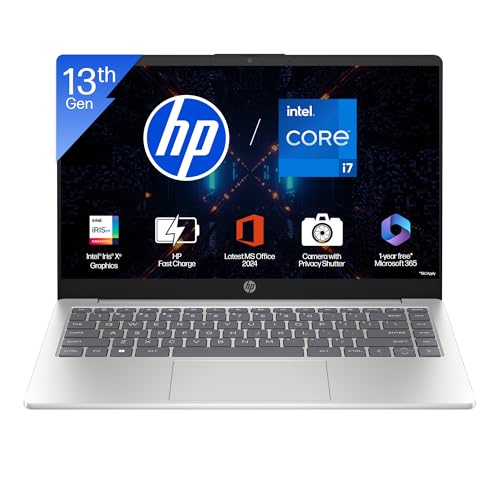
- 【10-core 13th Gen Intel Core i7-1355U】Experience powerful performance with a processor that features 12 threads and 12 M…
- 【Intel Iris Xe graphics】Experience dynamic visuals with Intel Iris Xe Graphics, perfect for high-definition video playba…
- 【Substantial memory and storage】The 16GB DDR4 RAM ensures efficient multitasking, while the 512GB PCIe NVMe M.2 SSD prov…

- SMOOTH VISUALS: Experience immersive gaming with the 15.6-inch FHD display and 120Hz refresh rate
- POWERFUL PERFORMANCE: Run demanding games with ease with the 13th Gen Intel Core i5-13450HX processor
- ADVANCED GRAPHICS: Enjoy superior visuals with the NVIDIA GeForce RTX 3050 GPU and 6 GB GDDR6 memory
No products found.
Best Trading Laptop in India must handle the demanding requirements of real-time market analysis without freezing or lagging during crucial moments. Look for Intel i7 or Ryzen 7 processors that process data quickly—essential when you’re running trading platforms like Zerodha Kite, TradingView, and Excel spreadsheets with complex formulas simultaneously.
16GB RAM is the minimum serious traders should consider because trading software consumes significant memory, especially when monitoring multiple charts and timeframes. With 32GB, you get extra headroom for running virtual machines or backtesting software alongside your live trading setup. This kind of power prevents frustrating slowdowns during volatile market hours.
SSD storage with at least 512GB ensures your trading platform loads instantly and historical data retrieves without delay. Fast storage means quicker chart rendering and smoother scrolling through price history—small details that add up when you’re making split-second decisions. I personally prefer 1TB SSDs because they handle years of trading data comfortably.
Display quality directly impacts how effectively you analyze charts and spot patterns. A Full HD or higher resolution screen with accurate colors helps you read candlestick charts clearly and distinguish between subtle price movements. Many traders prefer 15.6-inch or larger displays for comfortable multi-window setups without external monitors.
Battery backup matters less for desk-bound traders, but 5-6 hours gives you flexibility during power cuts or when trading from different locations. Build quality and cooling systems are crucial too—trading laptops run intensive applications for 6-8 hours daily, so overheating protection keeps performance consistent. This is what most buyers look for—professional-grade reliability that doesn’t compromise during market hours.
Conclusion
Choosing the Best Trading Laptop in India means prioritizing performance and reliability over flashy features. Focus on processors that handle real-time data smoothly, enough RAM to prevent lag during volatile sessions, and displays that make chart analysis comfortable.
Whether you’re a beginner trader or managing substantial portfolios, investing in the right laptop pays for itself through better decision-making and fewer missed opportunities. Make a smart purchase decision and choose hardware that matches the seriousness of your trading goals!