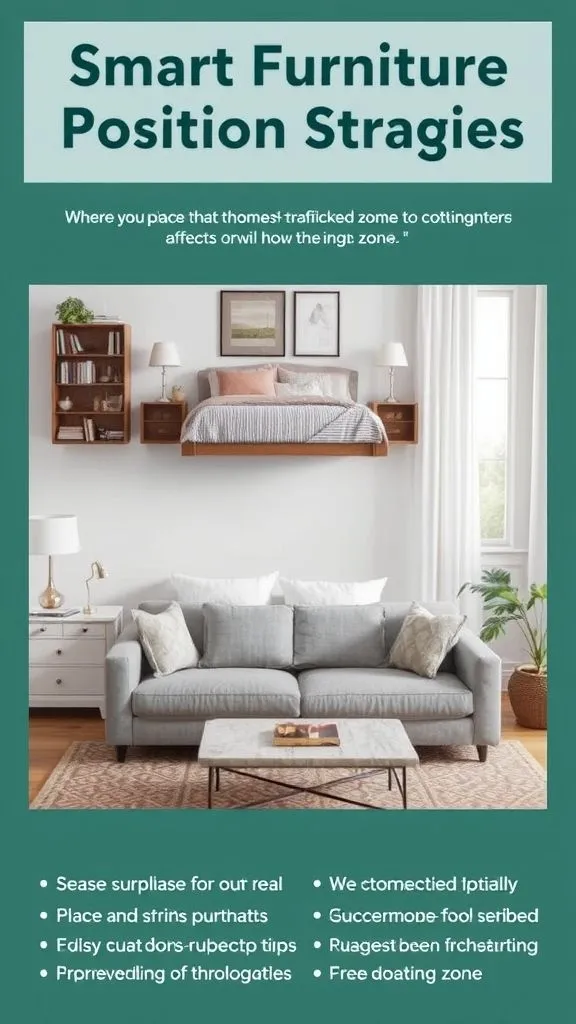
Living in a small bedroom doesn’t mean compromising elegance or comfort—it just requires getting creative with what you’ve got. I’ve personally suffered with cramped bedrooms in city flats, and I know that sinking sensation when you can’t fit everything you need.
But here’s the good news: with the correct design choices, even the tiniest bedroom can feel roomy, tidy, and wonderfully gorgeous. Modern compact bedroom ideas focus on innovative solutions that integrate utility with aesthetics.
Whether you’re dealing with difficult corners, low ceilings, or just restricted square footage, there are endless methods to make your space work harder for you. Let’s dive into practical ideas that’ll help you fall in love with your small bedroom all over again.
18 Smart Modern Small Bedroom Ideas
1. Strategic Mirror Placement for Visual Expansion

Mirrors are like magic wands for small spaces—they bounce light around and deceive your eyes into seeing double the room. Position a huge mirror across from your window to reflect natural light throughout the day, suddenly illuminating dark corners.
Leaning a huge floor mirror against one wall gives depth without requiring installation, plus it acts as a utilitarian piece for wardrobe checks. I’ve discovered that mirrored closet doors perform great in small circumstances, essentially doubling your perceived space while hiding storage.
Consider placing smaller decorative mirrors in clusters to provide visual interest while preserving that spacious impression. Avoid placing mirrors right opposite your bed if it makes you uneasy. The key is judicious placement—you want reflection, not distraction.
2. Furniture That Works Double Duty

Why purchase five pieces of furniture when one can accomplish numerous jobs? Multi-functional objects are amazing lifesavers in cramped bedrooms where every inch counts. Look for beds with built-in drawers underneath, ottomans that open up for storage, or nightstands with shelving and charging stations.
A fold-down desk attached to the wall disappears when you’re not working, giving you back vital floor space. Murphy beds remain the ultimate space-saving champion, transforming your bedroom into a living area during the day.
Storage benches at the foot of your bed provide seating, storage, and a place to lay out tomorrow’s clothes. The idea is simple: make each piece earn its keep by providing at least two tasks in your room.
3. Light Color Palettes That Open Up Space

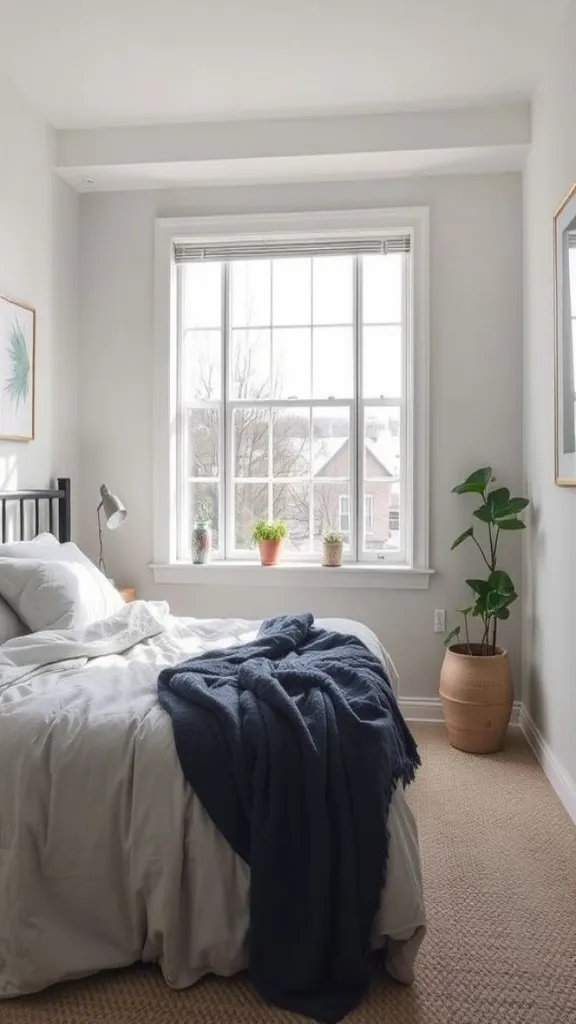
Pale hues provide an airy, open sensation that darker colors just can’t equal in tiny bedrooms. Soft whites, creamy beiges, and mild grays reflect light brilliantly, making walls seem to recede and ceilings appear higher.
This doesn’t mean your room needs to seem sterile or boring—think warm off-whites, blush pinks, or pale blues for charm. Painting your ceiling the same light color as your walls reduces optical boundaries, producing seamless flow.
Light-colored bedding and drapes reinforce this impact, creating an open, airy environment throughout your area. If all-white is too clinical for your taste, layer multiple tones of one light hue for depth.
The psychological impact of light colors shouldn’t be underestimated—they actually make small places feel more peaceful and less claustrophobic.
4. Eye-Catching Light Fixtures as Focal Points

Who says small bedrooms can’t have spectacular lighting? A magnificent pendant light or chandelier leads the attention upward, accentuating vertical space and earning big style points. Instead of unwieldy table lamps that suck up nightstand real estate, consider wall-mounted sconces or swing-arm lights.
Statement lighting becomes artwork and illumination rolled into one, giving your area personality without cluttering surfaces. Modern LED strips placed behind headboards or under floating shelves create ambient glow while taking up minimal space.
Dimmer switches help you alter the mood, transforming your bedroom from brilliant morning vitality to peaceful nighttime sanctuary. I’ve always believed that lighting can make or break a tiny space—it’s one area worth investing in for both function and wow effect.
5. Wall-Mounted Furniture That Frees Floor Space

Getting furniture off the floor offers the illusion of more square footage and makes cleaning significantly easier. Floating nightstands, wall-mounted desks, and suspended shelves give your home a clean, streamlined look while enhancing usable space below.
The visible floor underneath makes your bedroom feel more spacious and less confined, even though you haven’t actually changed the room’s dimensions. Floating TV consoles or wardrobes keep your needs accessible while preserving that airy aesthetic.
This strategy works particularly effectively in ultra-small bedrooms where regular furniture would dominate the space. Wall-mounting requires adequate installation to withstand weight; therefore, invest in quality brackets and anchors. The sleek appearance isn’t just trendy—it’s truly practical for small bedroom living.
6. Furniture with Lower Profiles

Choosing items that sit closer to the ground creates a visual gap between furniture tops and ceiling, making your room feel taller and more open. Platform beds without bulky frames or footboards keep sightlines clean and don’t dominate the room like traditional bed frames.
Low-slung dressers, squat nightstands, and floor cushions instead of tall chairs retain this horizontal emphasis. Japanese-inspired design concepts embrace this concept well, creating peaceful environments that feel larger than their size.
The lower your furniture sits, the more wall space becomes apparent, which your brain interprets as extra room. This doesn’t imply everything should be on the floor—it’s about finding that sweet spot between functional height and visual lightness. I’ve noticed that rooms with low-profile furniture just feel more breathable and less congested, even with the same number of items.
7. Upward Storage Solutions

When you can’t expand outward, build upward—vertical storage is your best friend in compact bedrooms. Floor-to-ceiling shelf units optimize every inch of wall space, containing books, décor, and storage boxes without eating into your room.
Tall, narrow bookcases fit in corners that would otherwise go unused, turning wasted space into usable storage. Over-the-door organizers, hanging closet systems, and wall-mounted hooks keep goods accessible but off surfaces and floors.
Stack storage boxes or baskets vertically in closets to double or triple your storage space. The beauty of vertical solutions is that they attract the eye higher, highlighting ceiling height and generating the sense of additional space.
Don’t forget the area above your door—a tiny shelf there might house items you don’t need every day but want to keep handy.
8. Neutral Base with Colorful Accents

Starting with neutral walls and big furniture items provides you with the opportunity to adapt your room’s individuality through accessories. Think beige, gray, or white as your basis, then layer in flashes of color with pillows, throws, artwork, or a vivid rug. This method eliminates visual overwhelm in small places while allowing your personality to come through.
Accent colors are simply swapped out annually or when you crave change, without requiring extensive redesigning or investment. A neutral palette also makes your home feel cohesive and quiet, which is especially crucial in bedrooms meant for relaxation.
Choose two or three accent colors maximum to maintain visual harmony. Personally, I adore how neutral spaces with bold accents feel both smart and playful—you get the best of both worlds without surrendering valuable space to conflicting hues.
9. Custom Built-In Storage

Built-in shelves and storage might demand upfront investment, but they’re tailor-made to meet your particular space and needs. Floor-to-ceiling built-ins around your bed create a comfortable nook while giving loads of storage for books, décor, and utilities.
Awkward corners and weirdly shaped walls become assets when you build tailored solutions expressly for them. Built-ins seem sleek and deliberate, adding value to your property while optimizing every available inch. Consider putting lighting within built-in shelves to spotlight cherished objects and add ambient glow.
The seamless integration helps your area feel designed rather than cluttered, even when you have numerous items. If custom woodwork isn’t in your budget, modular storage systems can be constructed to identical effect at a fraction of the cost.
10. Headboards with Hidden Storage

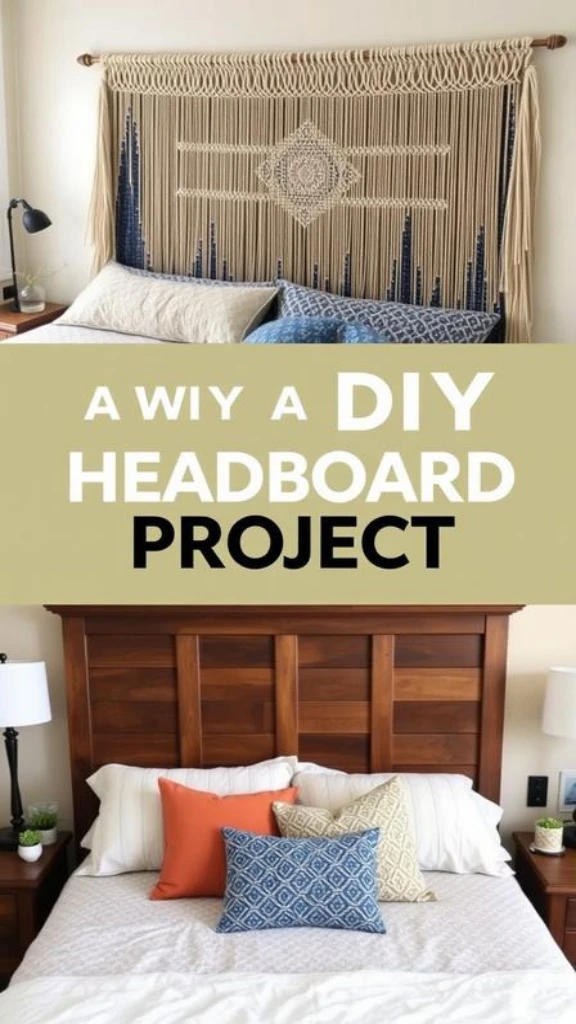
Why let the space behind your head go to waste when it might be working for you? Headboards with built-in storage, nooks, or concealed compartments keep books, phones, and nighttime needs at arm’s reach. Bookcase headboards make a fashionable focal point while eliminating the need for separate nightstands, freeing up floor space.
Some designs incorporate charging stations, reading lights, or even fold-down desks for working in bed. The vertical storage doesn’t impinge on your room’s footprint but adds great usefulness. This idea works especially effectively in bedrooms where nightstands simply don’t fit.
I admire how these headboards turn space into great real estate—it’s intelligent design that makes everyday living easier without needing you to modify your routines.
11. Curtains That Define Different Areas

A strategic curtain arrangement can separate your small bedroom into functional zones without installing permanent walls. Hang ceiling-mounted drapes to separate your sleeping area from a modest office, providing psychological boundaries in an open environment.
Sheer curtains preserve that airy atmosphere while still offering visual distinction and a sense of privacy. Use drapes to cover storage places, closets, or even just dirty nooks you haven’t organized yet. The ephemeral nature of curtains means you can experiment with room layouts without commitment.
Choose drapes in hues that complement your palette, and make sure they span from ceiling to floor for maximum impact. This approach has saved me several times in studio apartments where one room has to serve multiple purposes—curtains create quick versatility.
12. Feature Walls for Visual Interest
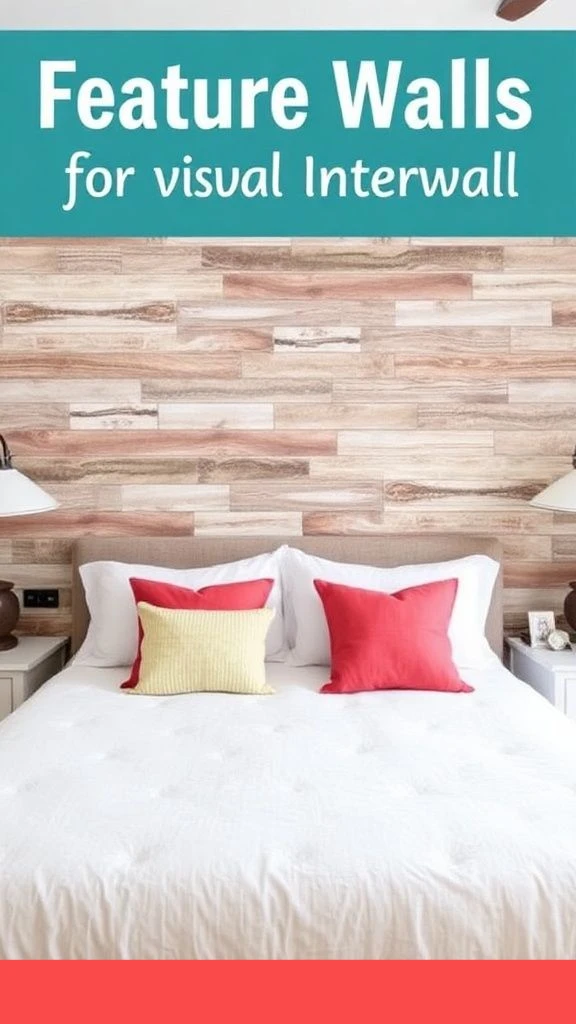
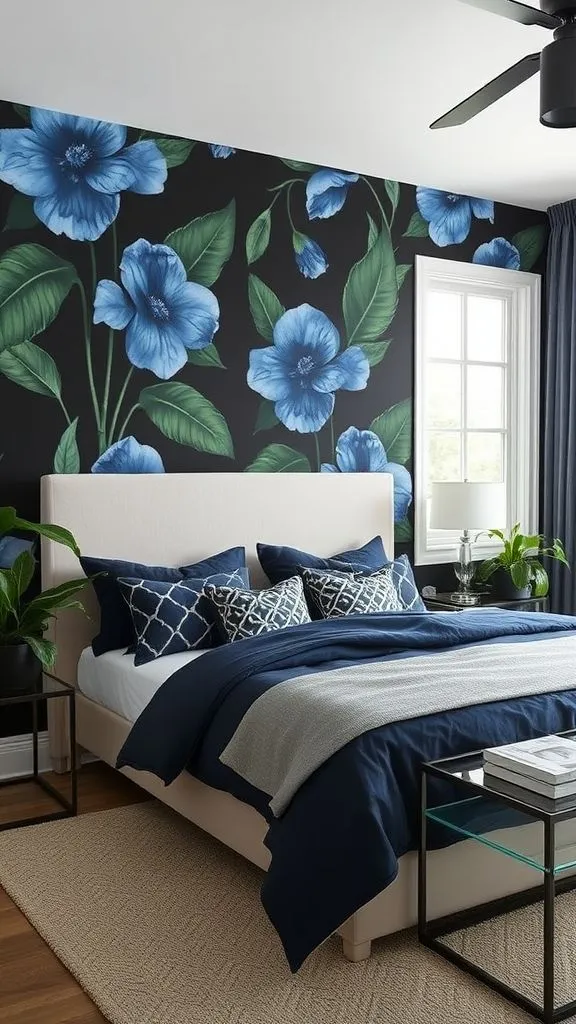
A single accent wall offers depth and flair without overwhelming your small bedroom with too much color or design. Consider wallpaper, a striking paint color, textured wood planks, or even removable wall decals for your focal wall. The focused emphasis on one wall helps your area feel carefully created while keeping the other walls bright and open.
Place your accent wall behind your bed to create a natural focal point that doesn’t require additional décor or furnishings. This method provides visual complexity that makes places feel larger and more intriguing than four identical walls.
Vertical stripes on an accent wall can make ceilings appear higher, while horizontal patterns can make tight spaces feel broader. One powerful wall trumps four overwhelming ones every day, especially in compact bedrooms.
13. Simple Art and Minimal Décor

Less really is more when it comes to decorating small bedrooms—choose a few meaningful things rather than cluttering every surface. Minimalist artwork in simple frames gives visual appeal without visual noise, retaining that clean, airy sense.
A single huge piece of art has more effect than several little ones, which can make walls appear congested and crowded. Keep nightstands and dressers relatively uncluttered, showcasing just your most-loved belongings or functional pieces.
Plants add vitality without clutter, and they filter air while bringing nature indoors—a win-win for compact spaces. Edit ruthlessly, wondering whether each ornamental item actually offers you joy or serves a function.
I’ve discovered that a properly curated collection of significant artifacts feels more opulent than a space crammed with random clutter, regardless of square footage.
14. Hidden Storage Beneath Your Bed

The space under your bed is excellent real estate that shouldn’t go to waste in compact bedrooms. Rolling storage bins, flat boxes, or drawer systems slide effortlessly beneath platform beds, housing off-season items, extra bedding, or shoes.
Bed risers boost your bed higher, creating even more storage space underneath while still retaining simple access. Vacuum-sealed bags compress bulky objects like winter jackets or comforters, optimizing your under-bed capacity.
This hidden storage keeps goods dust-free and out of sight, maintaining your room’s clean appeal. Choose containers on wheels for convenient access, especially if you need to retrieve items regularly.
Under-bed storage has historically been one of my go-to options since it exploits space that would otherwise remain empty—it’s storage without sacrifice.
15. Architectural Details as Design Features

Instead of hiding unique angles, low ceilings, or eccentric nooks, embrace them as character-adding qualities. Sloped ceilings make pleasant reading nooks when teamed with floor cushions and appropriate lighting. Built-in alcoves become great areas for fitted closets or display shelves.
Exposed brick, beams, or intriguing molding offer texture and personality that distracts from the tiny square footage. Paint architectural details in contrasting hues to accentuate rather than hide them. These unique aspects tell your room’s narrative and make it memorable, converting potential negatives into discussion pieces.
Generic rooms feel smaller; rooms with uniqueness feel special regardless of size. Working with your space’s inherent qualities generates a more authentic, intriguing design than fighting against them ever could.
16. Natural Light Amplification

Maximizing natural light makes any small bedroom feel more expansive, breezy, and pleasant throughout the day. Keep windows as unobstructed as possible—ditch heavy drapes for transparent curtains or light-filtering blinds that provide solitude without blocking sunshine.
Position mirrors strategically to reflect and amplify natural light throughout your home. Paint window frames and walls in light hues that bounce rather than absorb incoming light. Clean windows periodically because even light dust diminishes the brightness entering your area.
If privacy isn’t a problem, leaving windows totally bare maximizes light exposure. Consider whether the furniture arrangement interrupts natural light channels, and change it if necessary. Natural light doesn’t simply make rooms look bigger—it enhances mood and makes areas feel healthier and more invigorating.
17. Convertible Beds for Multiple Uses

Daybeds blur the line between sleeping location and seating area, making them excellent for small bedrooms that need to multitask. During the day, pile on beautiful pillows and utilize your daybed as a sofa for reading, working, or hanging out. At night, it changes into a comfy sleeping room without requiring any big adjustments.
Daybeds with trundles accommodate overnight guests without allocating space to a separate guest bed. The linear shape often takes up less visible space than traditional beds, sitting comfortably against walls without dominating the area.
Some daybeds incorporate built-in storage drawers underneath, offering even more versatility to this flexible piece. This concept works beautifully in studio apartments or multi-purpose rooms where flexibility is crucial. I enjoy how daybeds give you options—they adjust to your requirements rather than forcing you to work around static furniture.
18. Cohesive Color Stories

Sticking to a limited color palette across your small bedroom produces visual coherence that makes the area feel larger and more deliberate. Choose three to four colors maximum and repeat them in bedding, curtains, carpets, artwork, and accessories.
This repetition produces a flow that directs the eye gently around the space rather than stopping abruptly at harsh color changes. Monochromatic schemes employing varying shades of one color feel very elegant and expansive in compact areas. Your color story can alter seasonally by swapping out accent items while preserving your basic palette.
Cohesive color selections make decorating decisions easier too—you already know what works, so buying becomes less stressful. When everything matches without matching perfectly, your area feels curated and pulled together, which is the hallmark of outstanding small-space design.
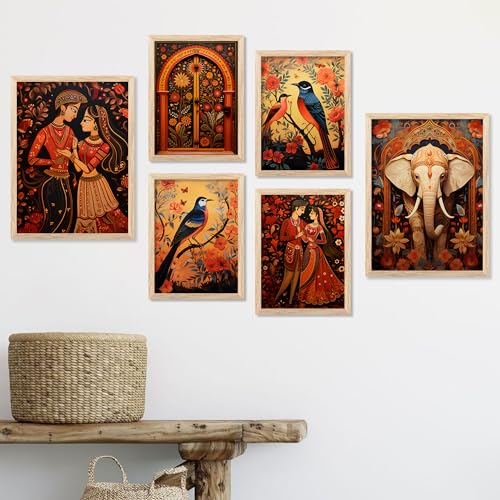
- QUALITY : The artwork is printed on 300 GSM thick paper with high quality printer and vibrant colors, to give it rich lo…
- Item Shape: Rectangular; Frame Material Type: Engineered Wood
- GREAT FOR GIFTING – These framed postersencourage everyone to live a positive life and achieve more. Its longevity and g…
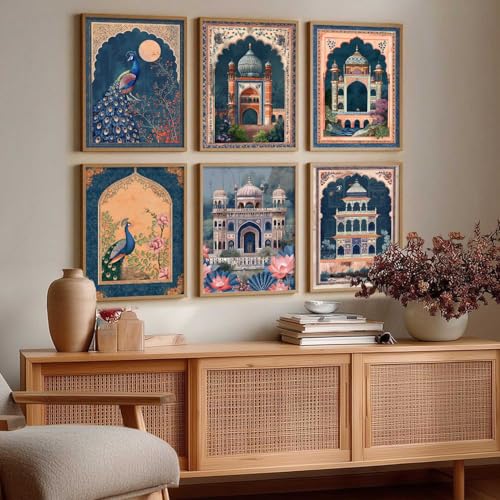
- QUALITY : The artwork is printed on 300 GSM thick paper with high quality printer and vibrant colors, to give it rich lo…
- Item Shape: Rectangular; Frame Material Type: Engineered Wood
- GREAT FOR GIFTING – These framed postersencourage everyone to live a positive life and achieve more. Its longevity and g…
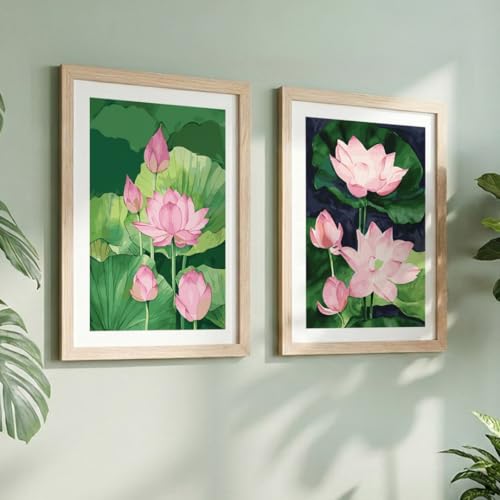
- SIZE AND QUALITY – 2 frames of10X13/ 13×17, Print Quality: The artwork is printed on 300 GSM thick paper with high quali…
- PREMIUM QUALITY MATERIAL – This product come with high-quality non-breakable polycarbonate glass (plexi glass), and fram…
- ECO-FRIENDLY INKS – We prioritize sustainability and environmental responsibility. Hence, we exclusively use eco-friendl…
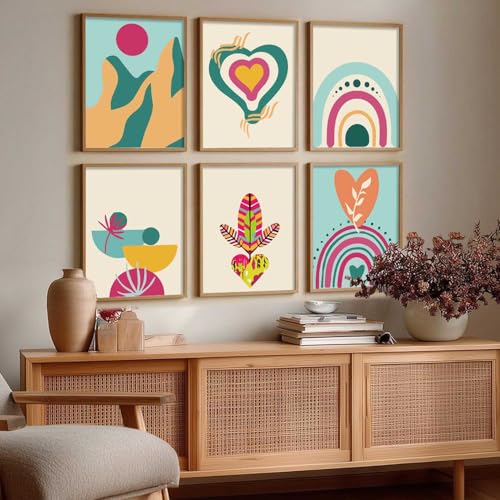
- SIZE AND QUALITY Dimension:- 17 inch x 13 inch Print Quality: The artwork is printed on 300 GSM thick paper with high qu…
- Item Shape: Rectangular; Frame Material Type: Engineered Wood
- GREAT FOR GIFTING – These framed postersencourage everyone to live a positive life and achieve more. Its longevity and g…
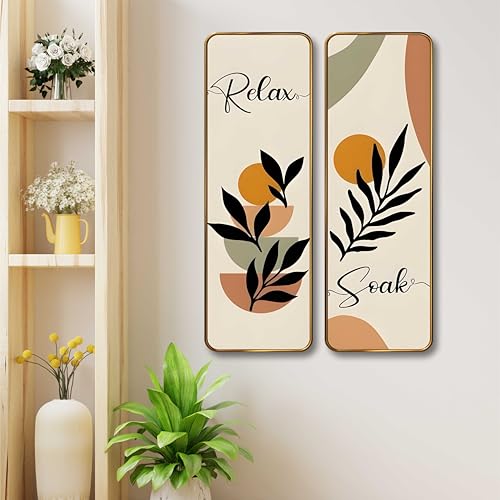
- 🌿 Minimal Abstract Design: Calm and stylish botanical artwork with “Relax” & “Soak” text.
- 🌟 Sparkle Lamination Finish: Glossy shine, anti-dust protection and long colour life.
- 🪵 Premium MDF Quality: Lightweight, durable and easy to maintain.
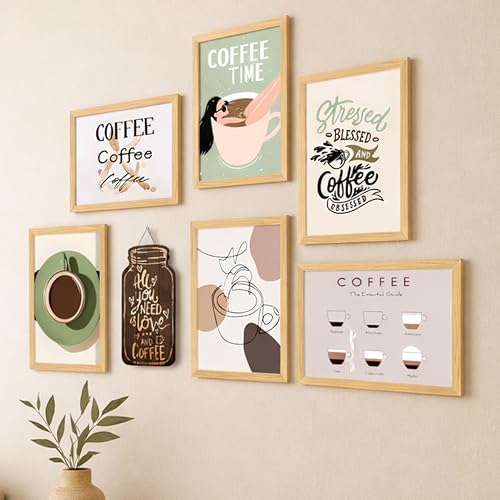
- Coffee Lover Wall Decor – A stylish collection of coffee quotes, cup illustrations, typography, and café-inspired artwor…
- Perfect for Coffee Spaces – Ideal for kitchens, coffee bars, cafés, offices, pantries, and breakfast corners.
- Ready To Hang: This wall art arrives ready to hang, with hanging accessories included and no additional framing required…

- Individual Product Size :- 9 x 9 Inches | 6.8 x 6.8 Inches | 6 x 6 Inches (Set of 3 Pieces), Sales Package – 3 Wall Hang…
- Material & Durability :- About Our Wall Decorative Product Handmade By Professional Artist On Engineered Wood, No Fading…
- Ideal Used For: Home Decor | Living Room | Bedroom | Office Decoration | Home Entrance | Kids Room| Interior Decoration …
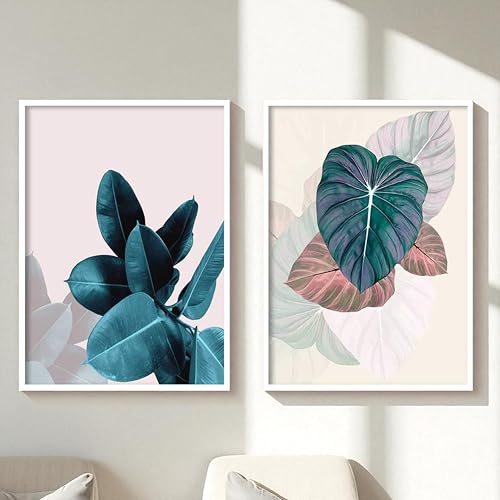
- Material : Printed on gallery quality canvas Natural white color, matte, and ultra smooth texture . Comes framed
- Package content: 1 Canvas Art Print
- Art print can be hung on wall as well as can be kept on table. Best for gallery wall’s.Can be Used as a Gift for Your Fr…

- Item Shape: Rectangular; Frame Material Type: Engineered Wood
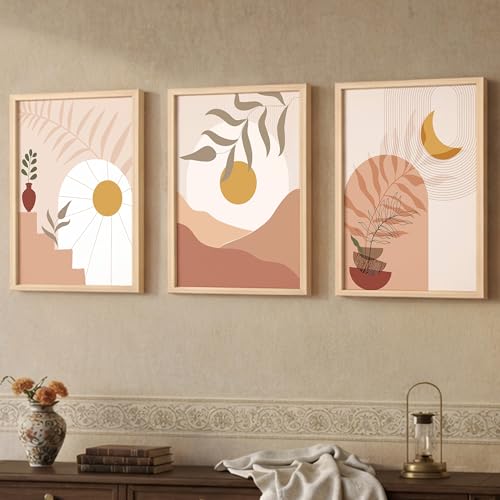
- MODERN DESIGN: Paintings are Black Color, Wood Frames for wall decor – Smooth Finished | Matte Finish Overall Dimensions…
- EASY TO USE: The classic 10×13 inches photo frames for wall decor set. These photo frames for wall decoration and black …
- BEAUTIFULLY DECORATIVE: The neutral black wall paintings for the living room matches any home decor or interior design. …
- SIZE AND QUALITY – 2 frames of10X13/ 13×17, Print Quality: The artwork is printed on 300 GSM thick paper with high quali…
- PREMIUM QUALITY MATERIAL – This product come with high-quality non-breakable polycarbonate glass (plexi glass), and fram…
- ECO-FRIENDLY INKS – We prioritize sustainability and environmental responsibility. Hence, we exclusively use eco-friendl…
No products found.
FAQs
How can you make a small bedroom look bigger?
Use light colors on walls and ceilings, include mirrors to reflect light, and choose furniture with exposed legs to generate visual fluidity. Keeping clutter low and optimizing natural light also considerably expands apparent space.
Can you utilize dark hues in a small bedroom?
Absolutely—dark hues may create comfortable, intimate areas when utilized carefully. Consider pairing dark accent walls with brighter surrounding walls, or use dark hues in well-lit spaces to avoid a cave-like appearance. Balance is vital.
What furniture is appropriate for a small bedroom?
Multi-functional pieces like storage beds, floating nightstands, and convertible furniture work well. Choose low-profile or wall-mounted options that don’t dominate the room, and emphasize quality over number when selecting pieces.
How do you manage a little bedroom without a closet?
Invest in freestanding closets, garment racks, or armoires for hanging clothes. Use under-bed storage, over-door organizers, and wall-mounted hooks to maximize vertical space. Storage ottomans and bed frames with built-in drawers add hidden capacity.
What’s the best bed size for a small bedroom?
A full or queen bed often works best, blending comfort with space efficiency. If your space is particularly tight, try a twin or full-size. Measure your room carefully, leaving at least two feet of walking space on each side.
Conclusion
Transforming a small bedroom into a gorgeous, functional refuge is absolutely achievable with the right techniques and a bit of creativity. Remember that dealing with limited space doesn’t mean reducing your design dreams—it simply means making smarter choices about what you bring in and how you organize it.
Start with one or two ideas from this list that resonate most with your needs and style. Maybe it’s adding mirrors to lighten things up, or finally buying in that storage bed you’ve been eyeing. Small adjustments build into great shifts.
Your bedroom should be your sanctuary, regardless of its size, so don’t be afraid to explore until you find what works. Soon enough, you’ll wonder why you ever worried about those square feet in the first place.